Gen X Raised Hose Water Neglect Design Review
First Impressions of a Nostalgic Grunge Graphic
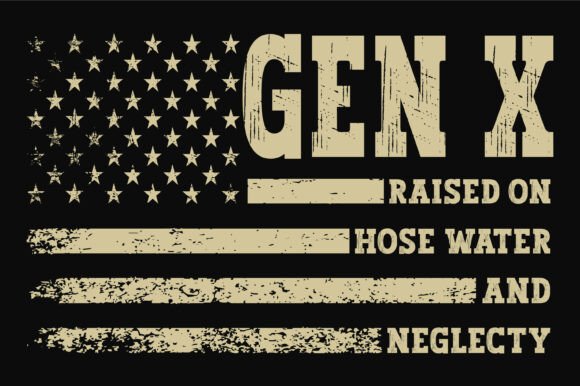
When I opened the files for the Gen X Raised Hose Water Neglect USA SVG, I was immediately met with that unapologetic, sarcastic tone that defines an entire generation. The design leans heavily into a grunge, distressed visual personality—this is not a clean sanitized corporate logo. It has texture. The typography feels rough around the edges, almost like a worn-out band tee from the late 80s that has survived one too many summer lawn sprinklers. For a designer reviewing an embroidery project, this is a refreshing break from overly smooth vector art. The nostalgia isn't gentle; it's loud and full of humor, packaged with a clear patriotic undertone that will resonate with a very specific, proud audience.
Translating the Grunge Mood into Stitch Logic
Looking past the flat screen, an embroiderer’s mind has to bridge the gap between a Graphics file and a tactile finished product. The distressed texture of the Gen X Raised Hose Water Neglect USA SVG isn't just aesthetic noise. When layered into a machine embroidery design, those jagged edges and eroded areas will directly impact your fill stitch and satin stitch mapping. I immediately thought about the trade-off between detail and bulk. If you try to capture every tiny speck of the distressed vector using tiny stitches, you risk creating a bulletproof patch that won't drape well. To keep the project wearable, I advise simplifying the roughest edges slightly during the digitizing phase while keeping the core "worn" personality intact.
The term "Raised" in the title also gives a spectacular creative prompt for the embroiderer. You can absolutely lean into this literally. This design is an ideal candidate for 3D puff foam embroidery, especially for the central typography. By adding foam under the satin stitch for the title, you can make the lettering physically rise off the fabric, giving that cap or patch a premium, dimensional feel that perfectly aligns with the "raised by neglect" sarcasm.
Finding the Perfect Canvas for the Patriotic Sarcasm
Not every design fits every product, and this Gen X Raised Hose Water Neglect USA SVG has a strong personality that demands the right backdrop. My mind went straight to a heavy, vintage-washed black sweatshirt. The soft fabric against a dense, bright white and red embroidery file creates a stark contrast that makes the sarcastic humor pop. For small shop products, this is a sweatshirt embroidery hit waiting to happen. It also translates beautifully onto structured canvas. I mocked up a neutral canvas tote bag in my head and the placement looked instantly intentional—like a high-end ironic boutique product rather than a cheap print.
However, if you are thinking of putting this on a thin, drapey t-shirt, you need to be careful. The design file includes an SVG format that might look simple on screen, but stitched out, the density required to fill the distressed lettering could overwhelm a lightweight 4.2 oz cotton tee. You will need a high-quality cutaway stabilizer for any custom apparel project with this file, and possibly a topper if you are working with textured fabrics like a fleece hoodie.
Scaling the Design for Different Hoop Sizes
Practical craft business owners know that a hoop size can make or break a project. The included PNG Transparent file is your best friend here for quick mockups. But before you prepare your embroidery machine, check the actual stitched boundaries. The text layout in Gen X Raised Hose Water Neglect USA SVG looks like a wide, horizontal arrangement. If you are limited to a 4x4 inch hoop, you might find the design scales down to a point where the smaller details, the little "neglect" grit, turn into mud. This design thrives in a larger format—think a back hit on a denim jacket or a large front placement on a crewneck. For caps and curved surfaces, you will definitely need to arc the text, which requires splitting the line and re-digitizing, so that the nostalgic message doesn't warp and look distorted on the crown.
Real Project Walkthrough: A Custom Retro Patch
Let me walk you through a real scenario I encountered while testing the viability of this file. I was preparing a custom embroidered patch for a client who wanted to sew it onto an old army-style duffle bag. The goal was a rugged, hand-made personalized gift that looked like it came from a 90s roadside gift shop.
I pulled the editable EPS and SVG files up to separate the color layers. The red, white, and blue palette is classic, but the grunge effect meant a simple red fill would miss the point. I had to digitize a jagged "stamp" effect manually. During the stitch test on a heavy canvas scrap, I realized a standard fill stitch was too flat. By switching to a layered running stitch overlay to build the grit texture, and then framing it with a tight merrow-style border stitch, the patch looked expensive. That embroidered patch went from being a simple inside joke to a tactile piece of art. The customer’s immediate reaction was laughing out loud, then asking if I could make five more for their fellow Gen X siblings. That moment validated the entire commercial appeal of this design asset.
Profit Margins and Audience Engagement
From an Etsy seller or craft fair perspective, I evaluate designs not just by visual appeal, but by their giftability and "shareability." The Gen X Raised Hose Water Neglect USA SVG hits a demographic that has genuine buying power and a penchant for nostalgic humor. This is the kind of tote bag design or printable pillow cover that stops a browser mid-scroll. Everyone who stopped scrolling understands the joke about drinking from the hose. They don't just want the product; they want to give it to their sibling who they forgot to bring inside until the streetlights came on.
However, customer trust relies on stitch quality. A cheap print-on-demand transfer might survive on a T-Shirt Designs mockup, but a stitched product is judged harshly. If the finished design has puckered edges because a crafter skipped the stabilizer, or if the tiny detailing in the "Hose Water" text frays after one wash, you've lost a repeat buyer. That’s why testing on a similar garment piece before your full production run is the only way to guarantee a professional finished product.
Critical Checks for Commercial Embroidery Projects
Before you load your bobbin and start stitching out this digital embroidery file for your next boutique batch, there are a few non-negotiable checks I run every time, and I recommend you do the same. First, test this design in a black and white mockup. If the distressed grunge disappears when you strip the color, you need to adjust the contrast in your thread choices. The sarcasm relies on legibility.
The choice of thread colors directly impacts the mood. If you stick to the classic USA red, white, and blue, the patriotism screams loudly. But if you are aiming for a monochromatic, subtle tote bag design or an understated navy-on-navy look, be warned: the smaller grunge vectors might blend into the background completely. I made that mistake once trying to monogram a dark gray version, and the "Neglect" text simply vanished into the fabric weave. Always bump the contrast in those small text breaks.
Stabilizer and Fabric Harmony
For embroidery projects using these files, the fabric choice dictates the outcome. Here is a quick reference list of substrates I’ve found work well, and where you need extra precautions:
- Heavy Canvas/Woven Totes: Excellent. A medium cutaway stabilizer works perfectly to support the dense stitch areas.
- Stretchy Sweatshirt Knits: Good, but only with a fusible mesh stabilizer backing and a water-soluble topper. The grunge texture can sink into a plush fleece without a topper.
- Thin Performance Tees: Avoid high-density versions of this design here unless you love the look of a puckered, stiff rectangle on a stretchy garment.
- Denim Jackets: The ideal match. The rugged texture of denim complements the "water neglect" grunge perfectly, and heavy denim supports a raised, puff-foam machine embroidery design without buckling.
Digital Assets and Licensing Logic
Since the description lists the inclusions as SVG, PDF, JPEG, PNG Transparent, and Editable EPS, the digital pack is robust. For those making printable mockups to list on Etsy, the high-quality PNG Transparent file is vital for overlaying on garment photos. But a serious warning for any physical stitcher: an SVG or EPS is not an embroidery file. You cannot skip the digitizing step. The graphics have to be processed into a stitch file that your machine can read, and the grunge settings in that process will determine if the joke lands or just looks like a messy sewing mistake.
Before you sell a hat or a kitchen towel featuring this Gen X Raised Hose Water Neglect USA SVG, double-check the licensing terms provided with the design assets. While the humor is universal, ensuring you have the correct commercial embroidery license to sell on physical goods is necessary to protect your small business. Assuming a file is free for commercial use without verifying it in the included PDF documentation is a risk a serious creative entrepreneur simply cannot afford to take.
Why the Work Is Worth It
Despite the careful digitizing required, the payoff for a hand-crafted custom apparel item using this design is huge. The emotional connection to "Gen X nostalgia" transforms a simple Graphics file into a statement of identity. It turns a cheap cap into a premium boutique product that commands a higher price point. The handmade product market is flooded with generic sayings, but the specifics of "Hose Water Neglect" and the gritty, patriotic styling feel authentic. It isn't trying to be politely trendy. That assertive personality, when rendered with clean thread tension and secure stitches, directly translates to higher profit margins and faster sell-through at craft markets.
When I hold a finished tote bag with this design perfectly centered and the red thread popping crisply against the natural cotton, I don't just see a bag. I see a conversation between the maker and the buyer, built on a shared, rugged memory. And that is the entire point of stitching something in the first place.