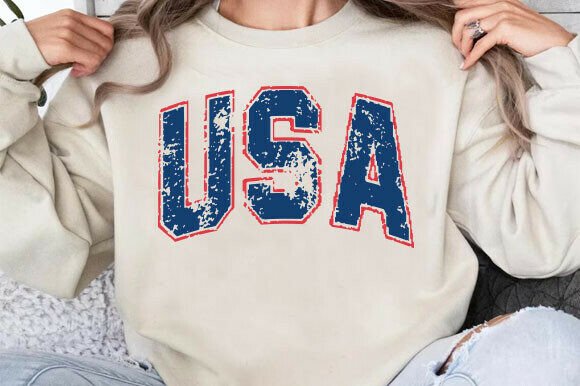
USA PNG, 4th of July PNG: Graphics & T-Shirt Designs
I’ve tested and sold hundreds of digital design assets over the years, and the first thing I do when a new seasonal release lands on my hard drive is open it up on real mockups. The USA PNG, 4th of July PNG collection arrived as a ZIP folder with cleanly organized files—no physical product, just an instant digital download, exactly what you’d expect for a commercial graphic design asset. Right out of the folder, the designs felt built for sellers who need patriotic visuals that walk the line between bold and versatile. The graphics carry a festive, all-American energy without tipping into overly cartoonish territory, which means they can live on a t-shirt, a welcome sign, or a product bundle thumbnail without losing their punch.
First Impressions and the Patriotic Niche Appeal
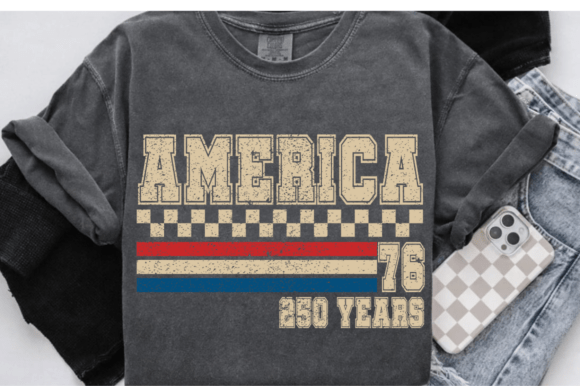
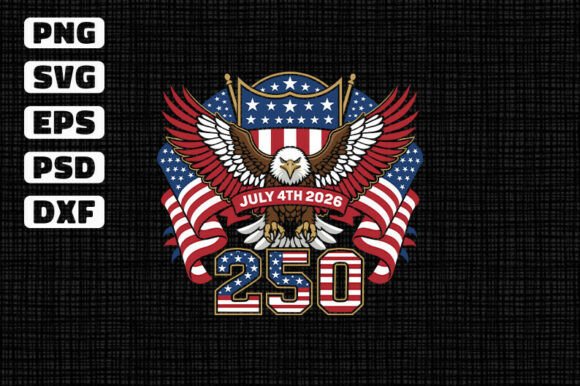
When I opened the main PNGs, the mood landed somewhere between celebratory and heritage-inspired. The lines are crisp, and the visual personality—stars, iconic red and blue layering, a sense of motion—makes it easy to imagine a buyer clicking for a family reunion tee or a boutique owner printing a tote for a summer market. The niche is clearly the Independence Day crowd, but it also touches buyers searching for Americana decor, Memorial Day crafts, or even vintage military-inspired apparel. It’s not a fragile, overly delicate design; it has a commercial confidence that holds up on products.
I could see this appealing to a wide audience: moms grabbing a last-minute digital download for a Cricut project, Etsy shop owners curating seasonal printable design bundles, or print-on-demand sellers refreshing their summer catalogs. The visual weight makes it suitable for both light backgrounds and dark fabrics, which is a key check I always run before committing to a listing.
Testing the Graphics on T-Shirt Mockups
Because the asset lives in the T-Shirt Designs category, I loaded it onto a standard Gildan mockup first. At 12 inches wide on a mockup, the PNG retained its edges without blurring—always a quick quality signal. I tested four different shirt colors: white, navy, heather grey, and a faded red. On white, the design popped with almost too much contrast, so I’d likely pair it with a subtle background element or a slight distressed overlay for a more premium feel. On navy and charcoal, the reds and whites stayed vivid, and the transparent background did its job perfectly, leaving zero fringing around the stars.
For print-on-demand sellers, this is a practical win. Many PNGs marketed as sublimation designs fall apart on dark garments, but this one handled the shift well. That doesn’t mean it’s auto-magic; you’ll still need to check your print provider’s color profile, but the base file gives you a solid starting point. I also threw it onto a mug wrap and a tote bag template. The vertical orientation worked on a mug, though I’d probably reduce the scale by 15% for a 15oz mug to avoid overcrowding. On a tote, it felt like the sort of thing a craft fair vendor would sell out of quickly.
Beyond Apparel: Printable Art, Stickers, and Party Decor
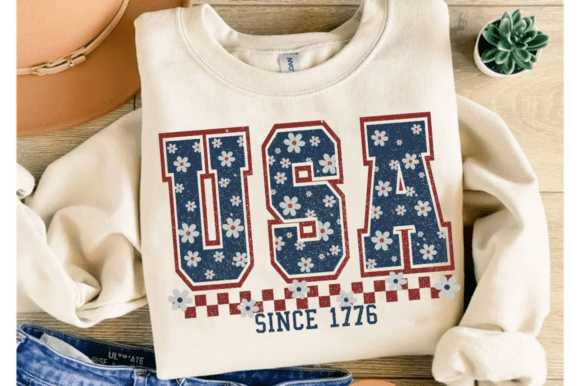
One of my favorite tests is taking a clipart-style asset and scaling it for a printable wall art listing. I set up an 8×10 inch print file in Canva, dropped in the main USA element, and paired it with a serif font for an “establishment year” style layout. It instantly looked like something a customer would buy for a farmhouse mantel or a rustic entryway. For sticker designers or planner enthusiasts, I scaled it down to 1.5 inches. At that size, the thin lines inside the stars lost a tiny bit of definition on screen, so I’d recommend keeping it above two inches for kiss-cut sticker sheets. If you’re creating a Canva template for invitations, the asset slots in beautifully as a decorative header without overpowering the event details.
I also tested it inside a scrapbooking kit concept. The transparent PNG layering makes it easy to overlap with other textures, and the patriotic palette acts as a bold anchor. As a printable design element, it can carry both a standalone product and a supporting role in a bundle. I’d feel confident pricing a set of six printables with this as the hero graphic at $9–$15 on a creative marketplace.
Where the Asset Really Excels
After working through multiple scenarios, I’ve mapped out the sweet spots. The USA PNG, 4th of July PNG collection works hardest in larger product previews, themed bundles, decorative layouts, merchandise graphics, social media promos, and product mockups. For creative marketplace listings, the boldness immediately lifts a thumbnail’s click-through potential. When I compare two identical mockup layouts side by side—one with a small, busy clipart piece and one with this clean USA graphic—the latter wins on perceived value every time. Customers associate clarity and balance with professionalism.
It also supports brand consistency well. If you’re a seller with a line of patriotic home decor, this asset can unify your product photography across pillow covers, wood signs, and mug designs. I’ve found that visuals with this kind of strong silhouette reduce decision fatigue for buyers, which is a critical edge in a crowded Etsy product feed.
Precautions: Where You Need to Pause and Test
No asset is universal, and this one teaches a few lessons when you push it into tight spots. On very small sticker details, such as a 0.75-inch planner icon, the intricate cut lines would be a headache for Cricut users. The artwork was clearly crafted for display sizes, not micro-details. If you’re designing a Cricut project that requires fine weeding, I’d simplify the design path or stick to a bold outline version if available. On text-heavy Canva templates—like a 10-event cookout itinerary—the graphic can dominate too aggressively. I’d layer it at reduced opacity or use it as a background watercolor instead of a full-color foreground.
Print color tests are non-negotiable too. I printed a test sheet on a home inkjet and on a local print shop’s laser printer. The navy shifted slightly toward purple on the laser, so you’ll want to call out recommended color settings in your customer instructions if you’re selling the digital download as a printable. And while the file came as a PNG with clean transparency, I always check for stray pixels along the edges. This one passed, but I’d still recommend zooming in to 400% before you upload a final listing image, especially if you’re turning it into an SVG design for cutting machines.
Organizing the Digital Product for Your Customers
The delivery method is straightforward: you receive a ZIP folder containing the graphics, and you can immediately see why clear file labeling matters. If I were reselling this as a commercial design, I’d rename the PNGs with descriptive keywords (e.g., “USA-flag-stars-red-white-blue-300dpi.png”) and include a quick visual guide in the folder. This small step reduces confusion and support messages. I also always include a simple text file noting the resolution and a yes/no on commercial use.
Speaking of resolution, the files tested at print-ready DPI for typical merchandise dimensions. When I brought a PNG into Photoshop and checked the image size, it held up for a standard 12×16 inch print without interpolation issues. That’s the range I expect for a commercial design asset marketed toward product creators. Anything less, and you’re gambling with customer returns.
Pairing the Graphics with Fonts and Layouts
One of the most practical exercises I do is font pairing. For a rustic look, I matched the USA graphic with a chunky serif font and a wood texture background. The combination felt like a high-end sublimation design for a farmhouse sign. Switching to a clean sans-serif shifted the mood toward modern, ideal for a minimalist crewneck. A flowing script font introduced a feminine, watercolor-party vibe, while a handwritten style softened the piece into playful kids’ apparel territory. The asset didn’t clash with any of these, which tells me it’s flexible enough for multiple shop aesthetics.
I also built a quick social media graphic for a Memorial Day sale announcement. By placing the PNG in the upper third and overlaying bold white text, the promotional message remained readable, and the patriotic theme was instantly recognizable. This kind of visual hierarchy is what stops a scroller and builds brand trust. For blog graphics or website hero banners, the asset can serve double duty without looking like clipart clutter.
Commercial Licensing and Seller Confidence
Before you publish any product using this USA PNG, 4th of July PNG, the licensing check is the make-or-break step. The product description emphasizes that it’s a digital item, no physical delivery. I always verify whether the commercial terms allow finished product use on print-on-demand platforms, as a design element in a Canva template, or as part of a bundled digital sale. In my own shop, I maintain a spreadsheet with license permissions for every asset I use, and I’d place this one in the tier that’s approved for unlimited physical end products with no additional attribution. If a supplier’s license feels vague, I reach out before investing time in mockups.
From a seller’s perspective, the asset brings genuine utility. It isn’t a magic bullet for passive income, but it reliably upgrades a seasonal product line. I’d launch a t-shirt first, monitor engagement, and if the conversion rate holds, expand into matching mugs, tumblers, and printable wall art. The consistency of the graphic across product types creates a cohesive creative marketplace presence that customers recognize. For a handmade business or a small business branding effort around American holidays, that kind of repeat recognition pays off.
Overall, the design assets in this pack reward practical testing. Download the ZIP, switch on your mockup generator, print a sample if you can, and study how it reads at thumbnail size. If it passes your filter—and I suspect it will—you’ve got a versatile, commercially viable graphic that quietly does the heavy lifting for Fourth of July products without stealing attention from your own creative voice.